
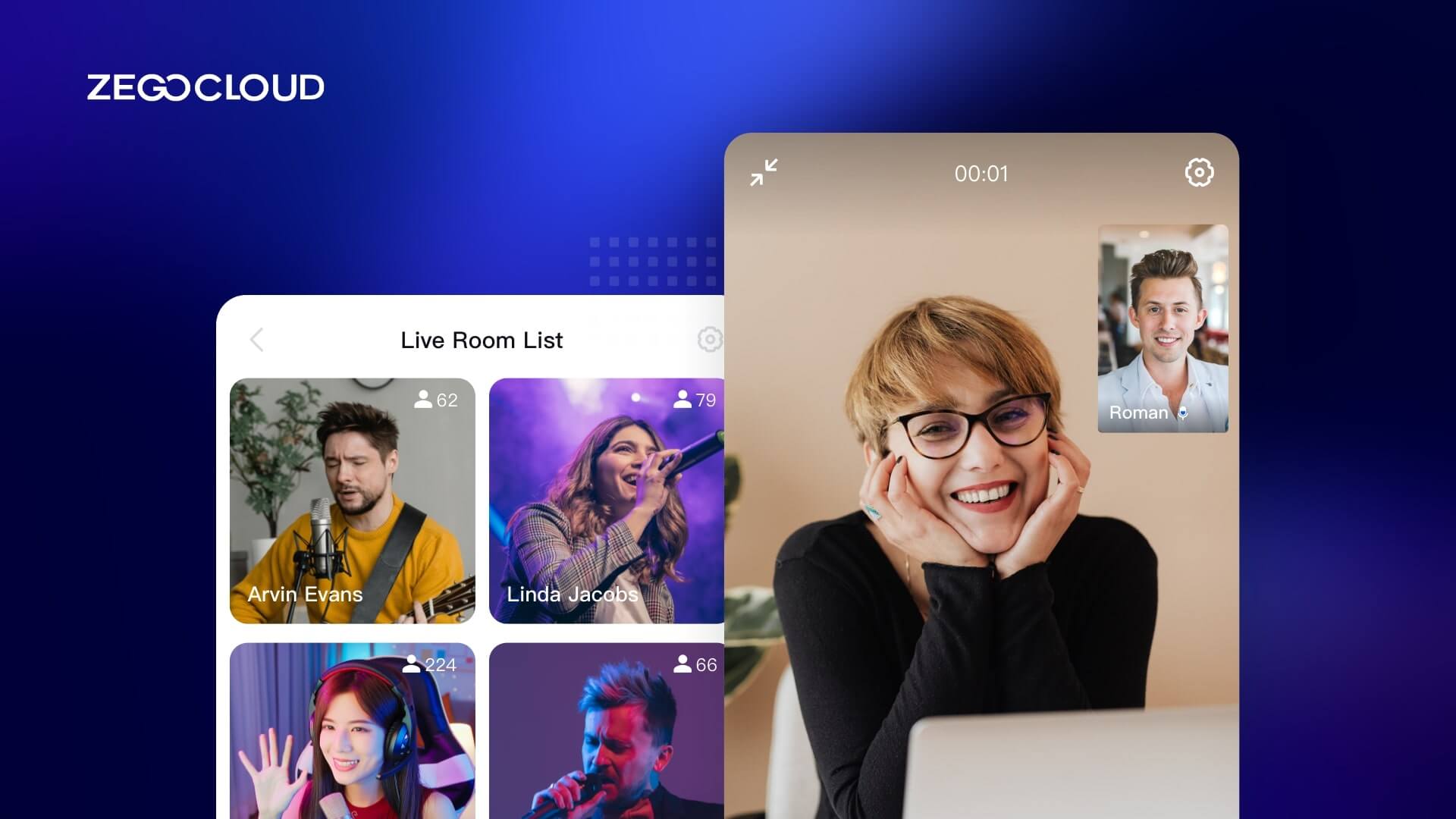
The landscape of online communication has shifted dramatically over the last decade. What began as simple text-based chat rooms has evolved into immersive, real-time visual experiences. A free random people video Omegle call website represents the forefront of this evolution, offering users the ability to transcend geographical boundaries and connect with individuals from diverse backgrounds instantly.
This technology is no longer just a novelty; it has become a vital tool for social discovery, language exchange, and global networking. By removing the barriers of registration fees and complex sign-up processes, these platforms democratize access to global communication.
Industry Insights: The Data Behind the Trend
Understanding the popularity of random video chat requires looking at user behavior statistics. The demand for authentic, unscripted interaction is at an all-time high.
• Engagement metrics are climbing: Industry analysis indicates that users on video-based discovery platforms engage for significantly longer sessions compared to traditional text-based social media. The visual element creates a sense of presence that text cannot replicate.
• Shift towards visual-first communication: Data suggests that over 60% of Gen Z internet users prefer video communication over voice-only or text-only formats. This demographic shift is driving the technical development of smoother, high-definition video streaming capabilities on these websites.
• Global reach: Traffic analytics for these platforms show a decentralized user base. Unlike niche forums, a free random people video call website typically hosts active users from over 150 countries, creating a truly globalized digital environment.
As these platforms gain traction, new users often have questions regarding functionality, safety, and purpose.
How does the technology facilitate instant connection?
Most professional random video platforms utilize WebRTC (Web Real-Time Communication) technology. This allows browsers to exchange video and audio data directly between peers without requiring third-party software downloads. This ensures that the connection is low-latency and high-quality, provided both users have stable internet connections.
What are the primary use cases for these platforms?
While social entertainment is a primary driver, professional and educational use cases are expanding.
• Language Practice: Many users utilize these sites to practice speaking with native speakers of English, Spanish, Mandarin, and other languages in a real-world context.
• Cultural Exchange: It serves as a digital travel experience, allowing individuals to see living spaces and lifestyles different from their own.
• Overcoming Isolation: For remote workers or individuals in isolated locations, these platforms provide essential human contact.
Is privacy maintained during these interactions?
Professional platforms prioritize user anonymity. Unlike social networks that require real names and location tagging, a random video call website usually connects users anonymously. This “mask” allows for more open conversation without the pressure of managing a curated digital identity.
The Future of Connection
The trajectory of online socializing is clear: users want speed, simplicity, and authenticity. As internet speeds increase globally and video compression technology improves, the experience of using a free random people video call website will only become more seamless. These platforms are not replacing traditional communication; they are expanding the circle of who we can meet, talk to, and understand.